Working Professionals
For those with traditional work schedules, early morning or evening sessions often work best. Weekend mornings can accommodate longer outdoor activities.
Practical approaches to incorporating outdoor movement into your everyday schedule, making it a sustainable part of your lifestyle.
Establishing a routine that includes outdoor movement requires thoughtful planning and realistic expectations. The goal is to find times that work consistently with your existing commitments.
Starting your day with outdoor movement can set a positive tone. Early morning offers quieter environments and cooler temperatures in warmer months.
Consider a 15-20 minute walk or gentle stretching routine before breakfast. This timing works well for those who prefer to complete their movement practice before other daily responsibilities begin.

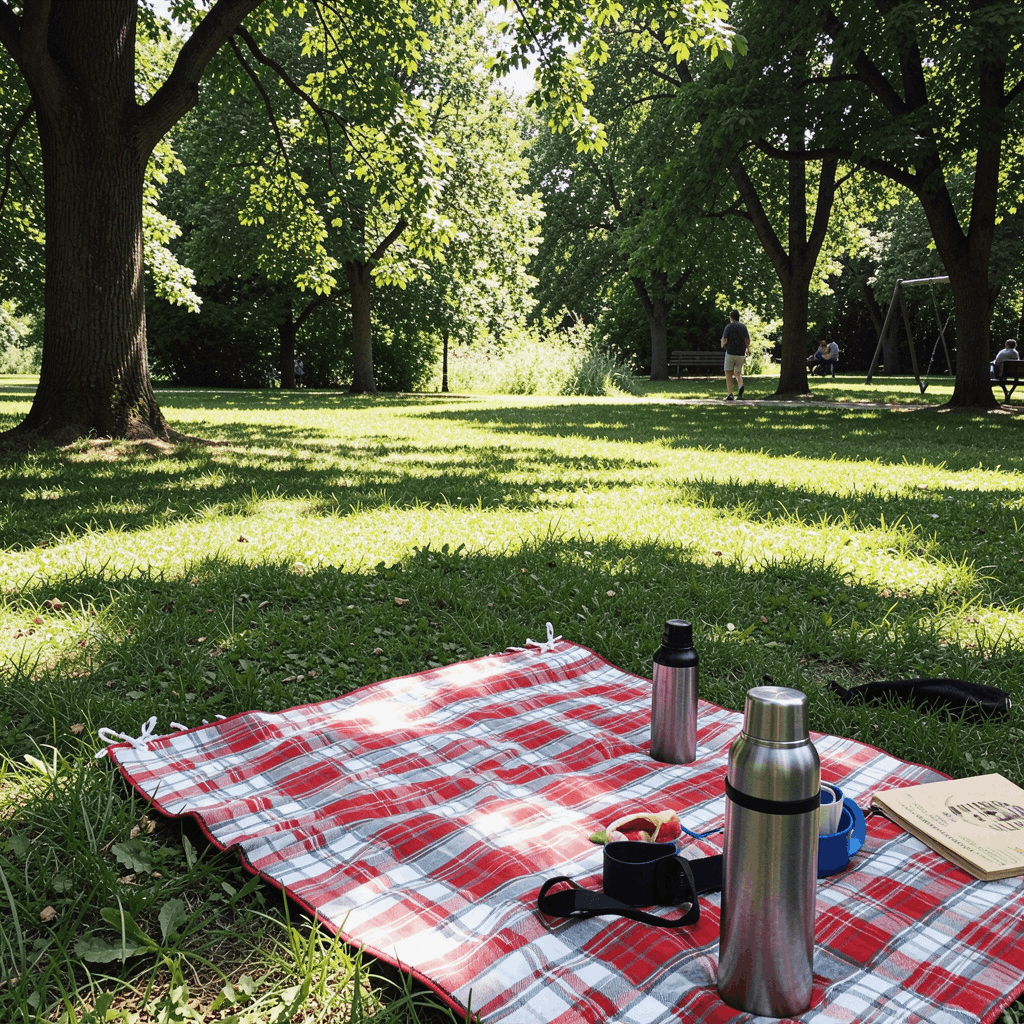
Lunch breaks provide an opportunity to step outside and move. Even a short 10-minute walk can break up sedentary periods and refresh your focus.
If you work from home or have flexible scheduling, midday sessions can be extended to include more varied activities like park visits or longer walking routes.
End-of-day outdoor movement can serve as a transition between work and personal time. Evening sessions allow you to decompress and reflect on the day.
Lighter activities like walking or gentle stretching are often more suitable for evening hours, especially if you prefer to wind down before bedtime.

Your outdoor movement routine should complement your existing lifestyle rather than compete with it. Different life situations call for different approaches.
For those with traditional work schedules, early morning or evening sessions often work best. Weekend mornings can accommodate longer outdoor activities.
Flexible schedules allow for movement breaks throughout the day. Consider short outdoor sessions between work tasks or during natural energy dips.
Outdoor movement can be combined with family time. Parks, playgrounds, and walking paths accommodate both adult movement and child activities.
With more flexible time, outdoor movement can be scheduled during optimal weather conditions and can include social activities with peers.

Consistency develops through repetition and realistic planning. Start with a frequency you can maintain, such as three times per week, rather than attempting daily sessions immediately.
Choose specific days and times, treating these appointments with the same importance as other commitments. Prepare clothing and any needed items the night before to reduce morning friction.
Track your sessions simply, noting when you went outside and what you did. This record helps identify patterns and maintain motivation over time.
Various challenges can interrupt outdoor movement routines. Anticipating these obstacles and having backup plans increases long-term success.
Rain, extreme heat, or cold can make outdoor activity less appealing. Have indoor alternatives ready, or invest in weather-appropriate gear to expand your comfortable range.
Busy periods happen. When time is limited, even 5-10 minutes outside provides value. Short sessions maintain the habit until longer periods become available again.
Interest naturally varies. During low-motivation periods, focus on showing up rather than performance. Simply being outside counts as success.
Educational Information: All materials and practices presented are for educational and informational purposes only and are intended to support general well-being. They do not constitute medical diagnosis, treatment, or advice. Before applying any practice, especially if you have chronic conditions, consult a qualified healthcare professional.