Trail Walking
Natural trails with roots, rocks, and elevation changes require attention and adjustment with each step, naturally developing balance skills.
Explore outdoor activities that engage your coordination and stability while connecting with natural environments.
Balance involves maintaining stability while stationary or moving. Outdoor environments naturally challenge balance through varied terrain, uneven surfaces, and changing conditions.
Unlike flat indoor surfaces, outdoor spaces offer grass, gravel, sand, and natural paths. These varied surfaces require constant small adjustments, engaging stabilizing muscles throughout your body.
Walking on natural terrain provides sensory feedback that indoor environments cannot replicate, making outdoor movement particularly valuable for balance development.
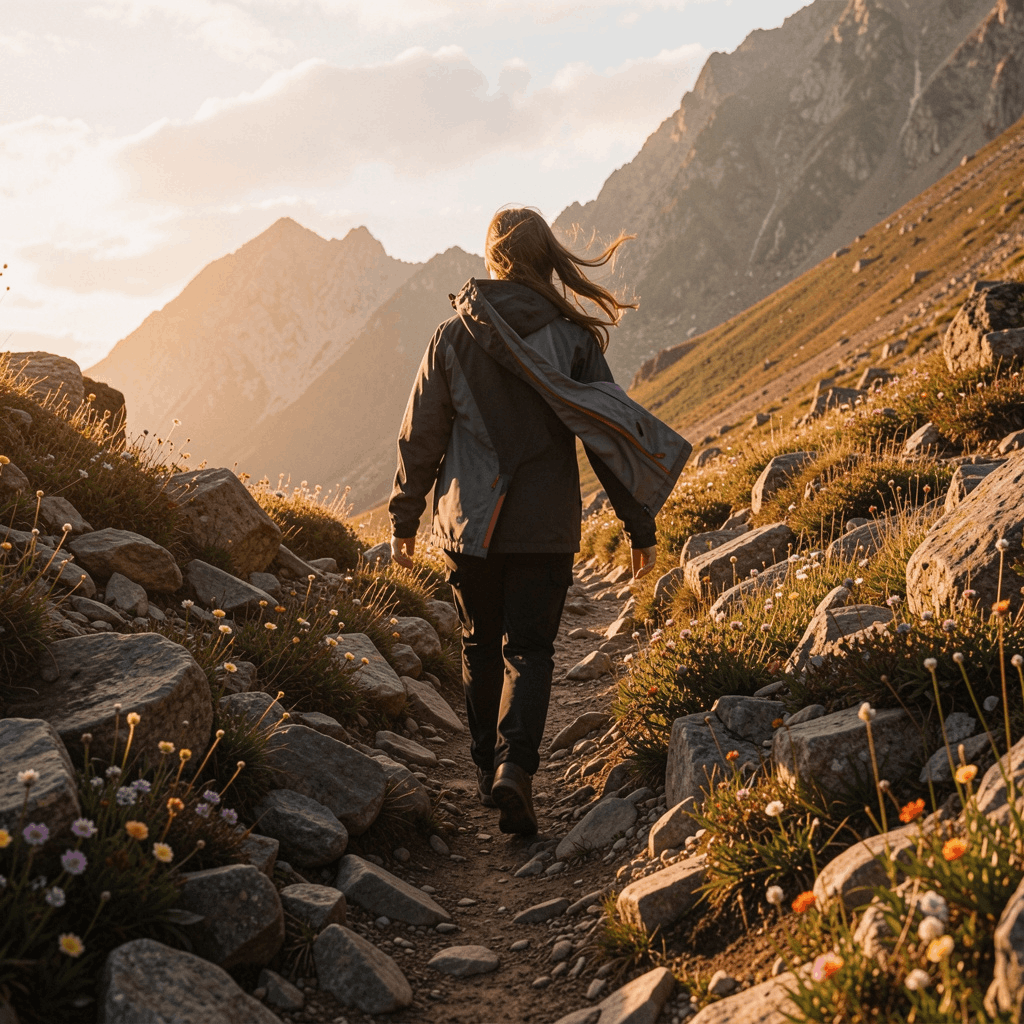
Walking forms the foundation of many outdoor balance activities. Simple variations can increase the balance challenge while remaining accessible.
Natural trails with roots, rocks, and elevation changes require attention and adjustment with each step, naturally developing balance skills.
Walking in a straight line with each foot directly in front of the other challenges your balance system. Try this on grass or soft surfaces first.
Moving backward on safe, clear paths engages different muscle groups and requires heightened awareness of your surroundings.
Lateral movement across open spaces works balance in a different plane than forward walking, engaging hip and core stabilizers.
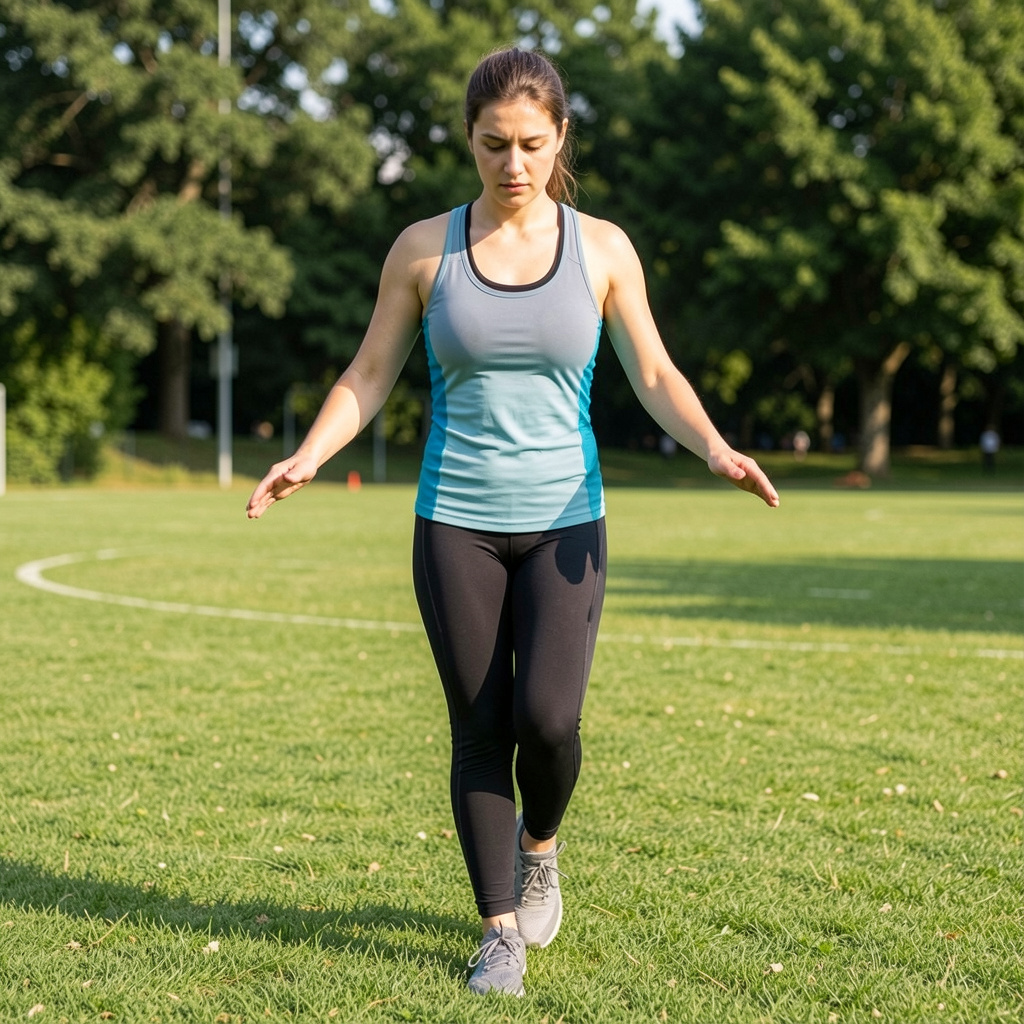
Standing on one leg while outdoors adds environmental variables like breeze and uneven ground that increase the challenge compared to indoor practice.
Start with 10-15 seconds per leg, using a tree or bench for light support if needed. As stability improves, try closing your eyes briefly or standing on softer surfaces like grass or sand.
These practices can be incorporated into walks by pausing periodically to perform brief balance holds, making them easy to include in regular outdoor time.
Activities that combine movement with balance challenges provide engaging ways to develop coordination while enjoying outdoor spaces.
Using park benches, low walls, or natural features like logs, step-ups combine strength with balance as you shift weight from one leg to another.
Forward or lateral lunges on grass or soft ground challenge balance during the transition between positions and engage multiple muscle groups.
Squatting movements on uneven surfaces require core engagement and ankle stability, making them more challenging than indoor versions.
While standing, reaching arms in different directions shifts your center of gravity, requiring balance adjustments to maintain stability.
Balance activities should progress slowly from easier to more challenging variations. Start on flat, stable surfaces before moving to uneven terrain.
Always practice in safe environments where you can catch yourself if needed. Parks with grass provide softer landing surfaces than concrete paths.
Pay attention to how your body responds. Some days balance feels easier than others due to factors like fatigue, hydration, or environmental conditions.
Get in Touch
Different seasons offer unique opportunities and challenges for outdoor balance activities.
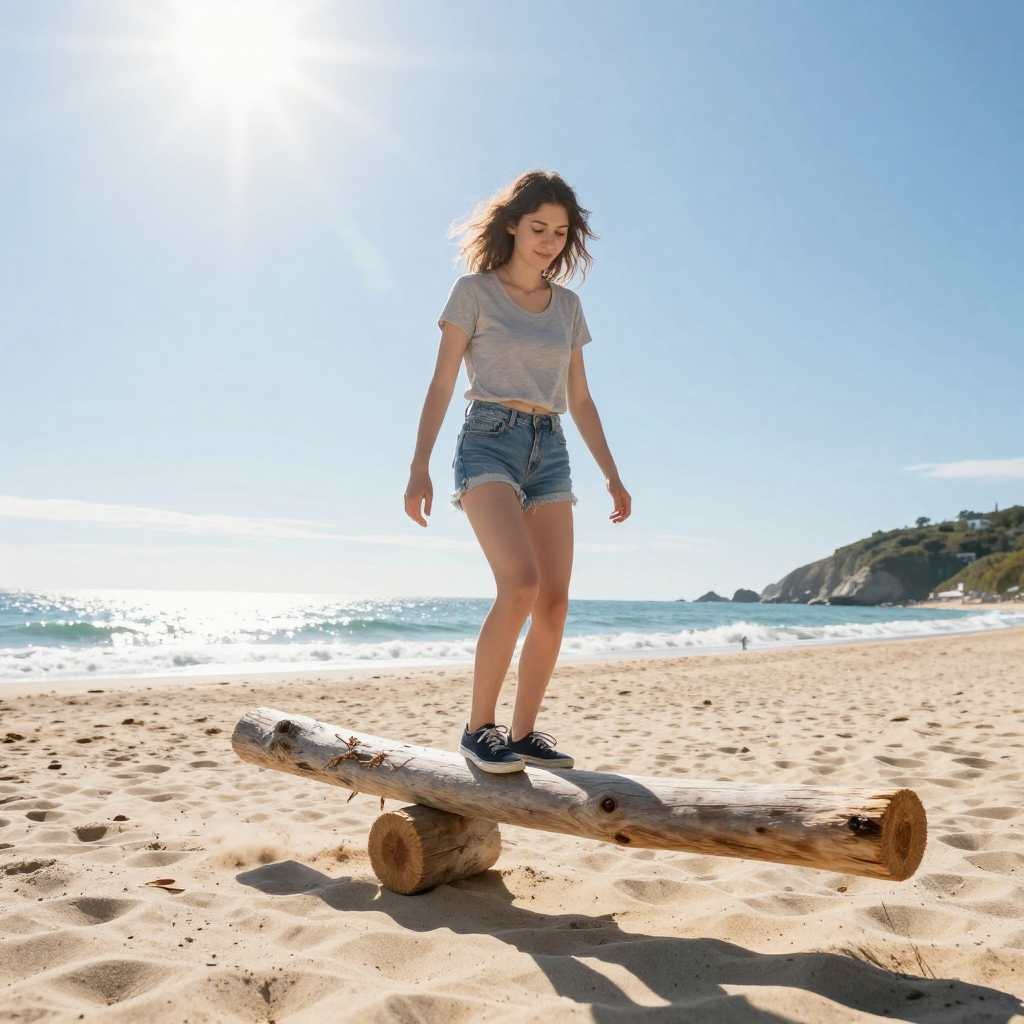
Summer allows for barefoot practice on grass, providing direct sensory feedback. Autumn leaves create unstable surfaces that challenge balance naturally.
Winter may require indoor alternatives during extreme weather, while spring's mild temperatures make it ideal for trying new activities and longer sessions.
Each season brings different lighting conditions, temperatures, and surface characteristics that keep outdoor balance work varied and engaging throughout the year.
Educational Information: All materials and practices presented are for educational and informational purposes only and are intended to support general well-being. They do not constitute medical diagnosis, treatment, or advice. Before applying any practice, especially if you have chronic conditions, consult a qualified healthcare professional.