Natural Environment
Outdoor spaces provide varied terrain and changing conditions that make movement more engaging and dynamic throughout the seasons.
Discover how outdoor movement can become a natural part of your daily lifestyle, connecting you with nature and enhancing your everyday experiences.
Explore MoreSpending time outdoors while moving naturally offers a unique opportunity to engage with your environment. Fresh air, natural light, and open spaces create an ideal setting for physical activity.
Outdoor spaces provide varied terrain and changing conditions that make movement more engaging and dynamic throughout the seasons.
Simple outdoor activities can be woven into your everyday schedule, from morning walks to evening stretches in the park.
Outdoor movement requires minimal equipment and can be adapted to any fitness level, making it available to everyone.
Creating a consistent outdoor movement practice starts with small, manageable steps. Begin by identifying times in your day when you can step outside.
Consider morning stretches on your balcony, lunchtime walks in nearby parks, or evening mobility exercises in your garden. The key is consistency rather than intensity.
Learn More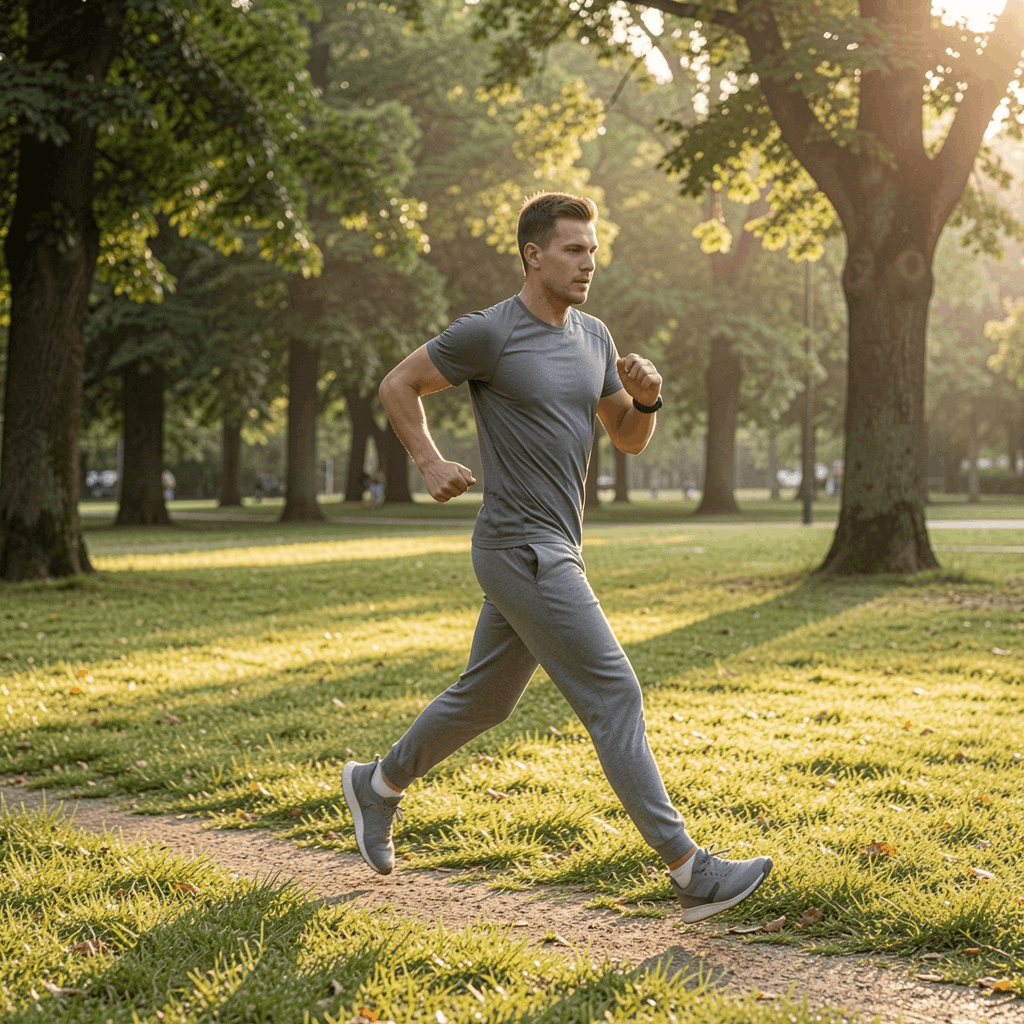
There are countless ways to incorporate movement into your outdoor time. Each activity offers different experiences and can be adapted to your preferences.
From casual strolls to brisk walks, moving through outdoor spaces at various paces allows you to explore your surroundings while staying active.
Gentle stretching in fresh air combines the benefits of flexibility work with the calming effects of natural environments.
Simple movements using your own body weight can be performed in parks, gardens, or any outdoor space with adequate room.
Natural surfaces like grass, sand, or forest paths provide opportunities to work on stability and coordination.
Outdoor movement can be enjoyed year-round with appropriate adjustments for weather and seasonal changes.
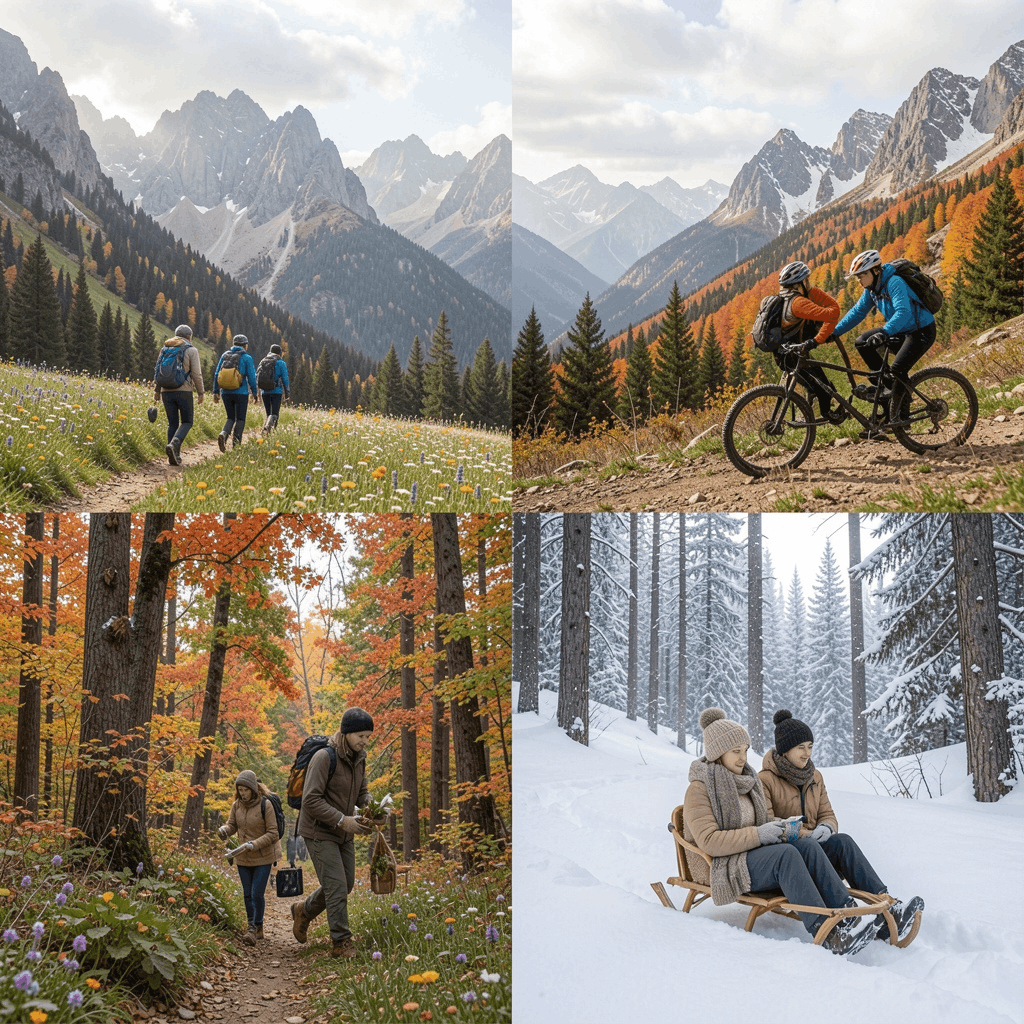
Each season brings unique opportunities. Spring and autumn offer mild temperatures, summer provides longer daylight hours, and winter encourages shorter, more focused sessions.
Dress appropriately for conditions, stay hydrated, and adjust your activity duration based on temperature and weather patterns.
Beginning an outdoor movement practice is straightforward and requires minimal preparation. Here are some practical starting points.
Identify accessible outdoor spaces near your home or workplace. Parks, trails, gardens, or even quiet streets can serve as your movement space.
Start with short sessions of 10-15 minutes and gradually extend as it becomes part of your routine. Consistency matters more than duration.
Choose weather-appropriate attire that allows free movement. Comfortable shoes suitable for your chosen activity are essential.
Many people find that outdoor movement becomes more enjoyable when shared with others. Walking groups, outdoor exercise classes, and informal meetups create opportunities for social connection.
Whether you prefer solo practice or group activities, outdoor spaces accommodate both preferences and allow you to choose what works best for you.
Discover Activities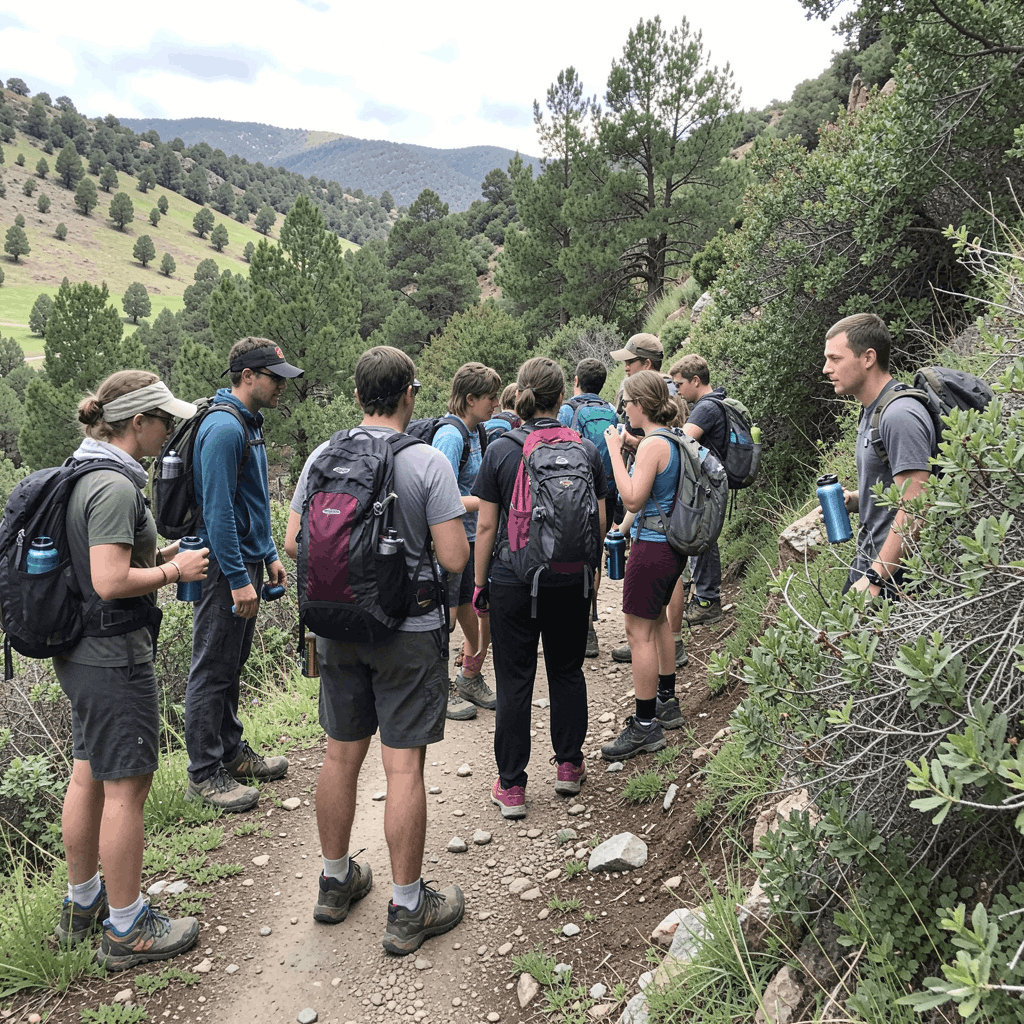
Educational Information: All materials and practices presented are for educational and informational purposes only and are intended to support general well-being. They do not constitute medical diagnosis, treatment, or advice. Before applying any practice, especially if you have chronic conditions, consult a qualified healthcare professional.